Why Most Creators Underprice Their Products
The #1 mistake new creators make is pricing too low. Underpricing hurts you in three ways:
The Mindset Shift
You're not selling a PDF or a video file. You're selling a transformation — the outcome your buyer achieves after consuming your product.
A $27 ebook that helps someone save 40 hours of research is worth far more than $27. A $197 course that helps someone land their first $5,000 client is a bargain.
Value-Based Pricing Framework
Value-based pricing ties your price to the result your product delivers:
The 10x Rule
Your product should deliver at least 10x its price in value. If your course helps someone earn an extra $2,000/month, pricing it at $197 is reasonable — the buyer gets a 10x return within 30 days.
How to Calculate Value-Based Price
Pricing Psychology Tactics
Charm Pricing
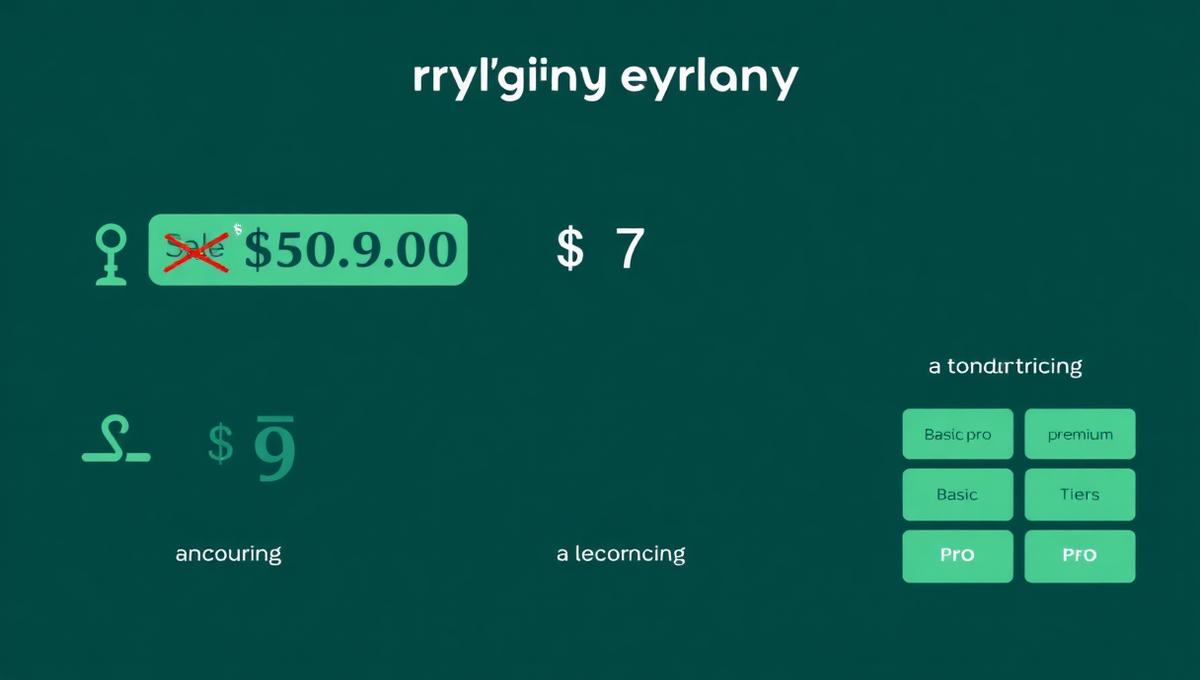
Prices ending in 7 or 9 consistently outperform round numbers:
Price Anchoring
Show a higher "compare at" price next to your actual price:
Creastor supports compare-at pricing natively, making it easy to display crossed-out prices on your store.
Tiered Pricing
Offer multiple versions of your product at different price points:
| Tier | What's Included | Price |
|---|---|---|
| Basic | Core ebook only | $19 |
| Pro | Ebook + templates + bonuses | $39 |
| Premium | Everything + 1-on-1 session | $97 |
Most buyers choose the middle tier, which is exactly where you want them.
Pricing by Product Type
| Product | Starter Price | Growth Price | Premium Price |
|---|---|---|---|
| Ebook | $9 | $19–$29 | $49 |
| Template pack | $7 | $15–$25 | $49 |
| Mini course | $27 | $47–$97 | $197 |
| Full course | $97 | $197–$497 | $997 |
| Coaching (1hr) | $50 | $150 | $500 |
Common Pricing Mistakes
1. Racing to the Bottom
Competing on price is a losing strategy for creators. Instead, compete on quality, branding, and results.
2. Never Raising Prices
Your first price isn't permanent. As you get more testimonials and improve your product, raise your price. Top creators raise prices every 3–6 months.
3. Ignoring Platform Fees
A 10% transaction fee on Stan Store means you need to sell $1,100 worth of products to keep $1,000. On Creastor's paid plan with 0% transaction fees, you keep the full $1,100.
Over 100 sales at $29 each, the difference is: